Heat Pumps + Solar: The Smartest HVAC Pairing in New England
Updated August 2026 with the latest rates and program details from PURA, Eversource, and state program filings.
Thesis: a cold-climate heat pump is the most efficient way to heat a New England home — and it moves your entire heating cost onto an electric bill that runs about 23.5¢/kWh in Connecticut and above 30¢ in Massachusetts, which is exactly why heat pumps and rooftop solar belong in the same plan.
The catch: efficient, but electric
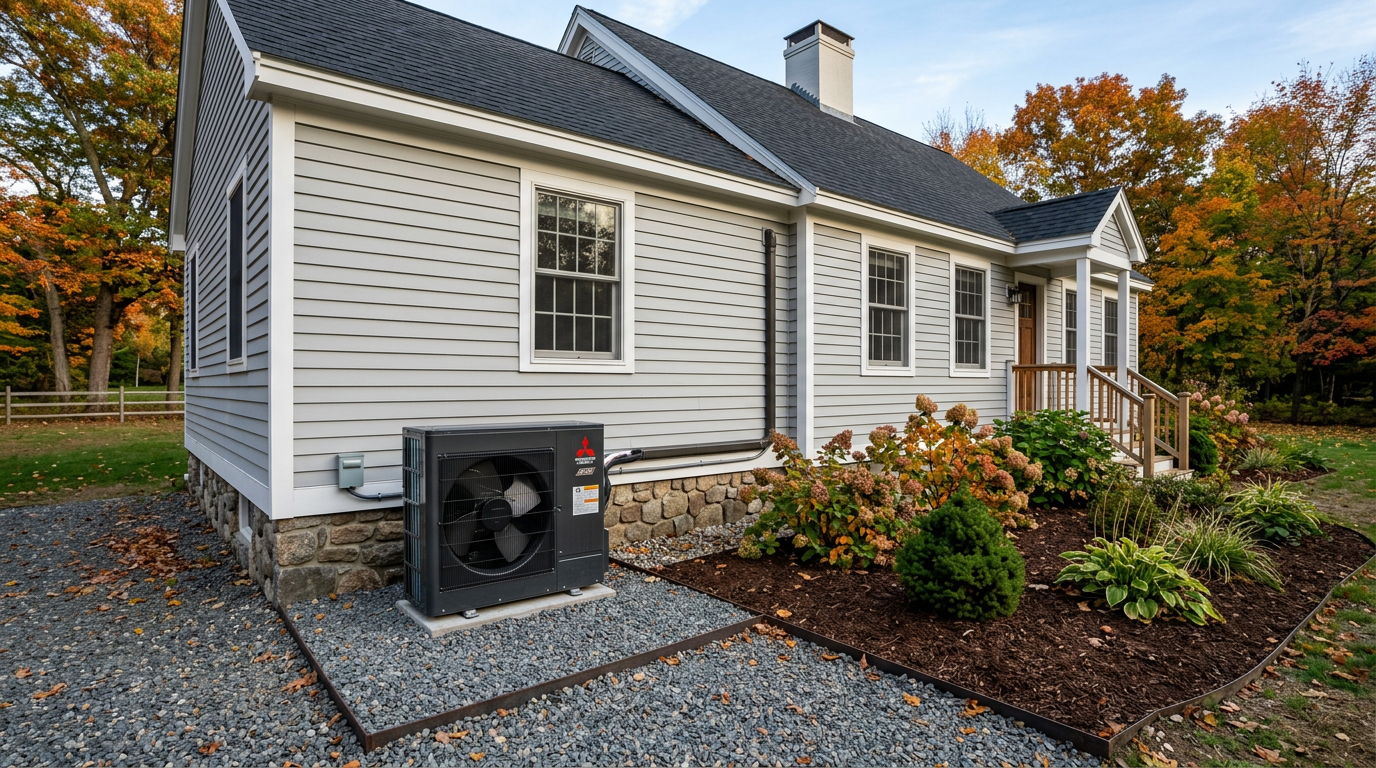
A modern heat pump can cut total energy spending versus oil, propane, or electric baseboard — while making electricity the biggest utility line you have. In two of the most expensive electricity states in the nation, your heating cost now moves with the utility's rates.
2026 rebates are real money in both states
In Connecticut, Energize CT's 2026 residential program offers $250 per ton (up to $2,500) for homeowners switching from oil, propane, natural gas, or electric resistance heat — and a $1,000-per-ton Energy Optimization tier worth up to $10,000 for whole-home conversions, with Smart-E loans available at promotional rates as low as 0.99% for qualifying projects. In Massachusetts, Mass Save's 2026 whole-home rebate runs $2,650 per ton up to $8,500, with sizing and weatherization bonuses pushing standard incentives to $9,500 — and income-qualified households can receive up to $16,000. Equipment must be cold-climate certified and installed through each state's participating contractor network, and program details change yearly — verify current numbers before signing anything.
The fix: make the electricity yourself
Your roof produces the power; your heat pump turns it into heating and cooling. Instead of trading the oil company for the electric company, you take control of the whole equation — a locked, predictable solar rate powering the most efficient HVAC technology available.
Thinking about either one? Plan them together
A whole-home heat pump can add thousands of kilowatt-hours a year to your usage. If a heat pump is in your future, size your solar for it now — it's far cheaper to design once than to expand later. We model your usage with the heat pump included, so your system fits the home you're building toward.